
Home EV charging
EV charger installation
for Perth homes.
Charge at home with equipment suited to your car, parking position and electrical supply. PSA checks the installation requirements and provides a written quote.
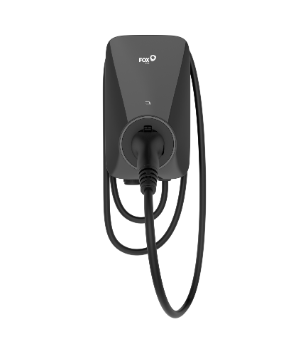
Choosing a charger
The right setup
for your car and home.
The charger’s headline rating is only one part of the decision. Your car, available supply and normal charging times determine what you can use.
See current equipment-only prices in the EV charger store. Installation is quoted separately for your property.
- Single-phase charging
- A practical option for many homes. PSA checks the vehicle and supply before confirming the charging rate.
- Three-phase charging
- Higher AC rates require a compatible supply and vehicle. A 22 kW charger does not mean every car will charge at 22 kW.
- Load management and solar
- Compatible controls can manage charging around other household loads or available solar. Features depend on the equipment and monitoring setup.
EV charger enquiry
Request an EV charger quote.
Tell us about your car, property and parking location so the team can check the electrical requirements and installation route.
- Full property address
- Vehicle make and model
- Where you park
- Switchboard photos, if available
Your property address is required so PSA can assess the actual site. It is used for the enquiry and is not displayed publicly.
Why install a dedicated charger instead of relying on a power point?
A dedicated charger is designed for regular EV charging and is installed with its own correctly selected circuit, protection and cable. PSA still checks the switchboard, supply and vehicle before confirming the equipment and charging rate.
Do I need three-phase power?
No. A 7 kW charger is a practical option for many single-phase homes. Three phase is required for higher AC charging rates.
Will every EV charge at 22 kW?
No. The vehicle's onboard AC charger sets its maximum rate. The property supply and charger must also support that rate.
What does load management do?
Compatible load management can reduce charger demand when the rest of the home is using more power. Whether it is required depends on the available supply, household loads and charger selected.
Can the charger follow excess solar?
Selected charger and monitoring combinations can vary charging around available solar generation. Compatibility is checked before equipment is recommended.
Can charging be scheduled for off-peak times?
Many smart chargers can use app schedules, but functions vary by model and may depend on a reliable data connection. PSA confirms the available controls before installation.
Where can a home charger be mounted?
The position needs to suit the parking layout, vehicle charge port, cable reach, weather exposure and a practical route back to the switchboard. Indoor and outdoor options are assessed on site.
What determines the installation cost?
Cable route, switchboard work, protection, phase, load management, trenching or difficult access can all affect the final scope.
Can I prepare for a second EV?
Yes. Even when one charger is installed now, PSA can consider switchboard capacity, cable routes, load management and the likely parking arrangement for a future vehicle.
Local installation guides
Read about home charging in your area, then send PSA the details of your property.
Talk to the local team